
 Article written by Bryce Hourigan – Service Leader – Rail Engineering and Senior Track Designer
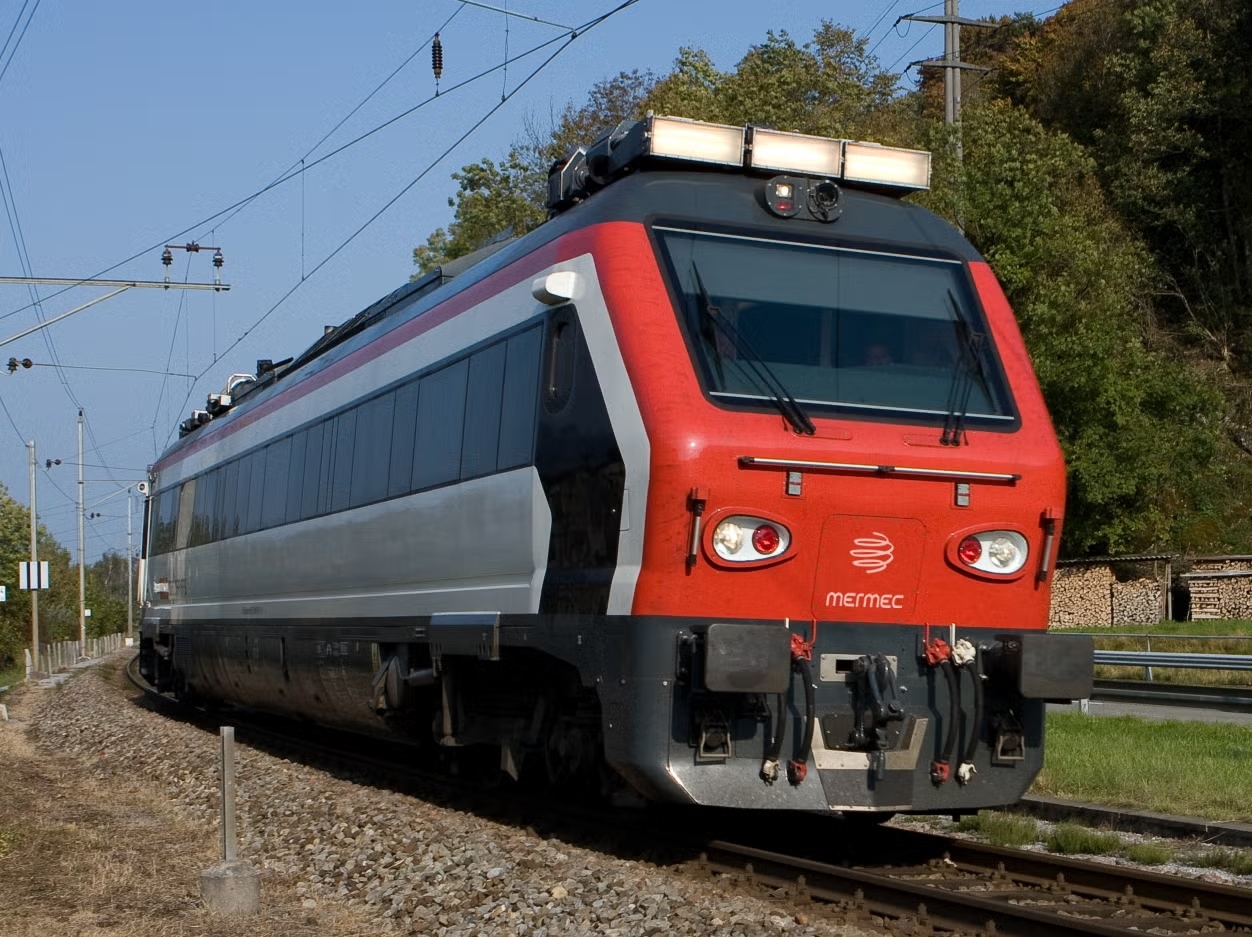
KiwiRail is in the process of rolling out a new Track Evaluation Car (TEC) into New Zealand. A TEC is a specialised rail vehicle that runs over the network to continuously measure and assess the condition of the track while in motion. It uses onboard sensors to capture key geometry parameters such as alignment, level, gauge, and curvature, building a detailed profile of track condition over long distances. This data is then analysed to identify defects, monitor track quality, and prioritise maintenance, helping ensure the railway remains safe, reliable, and fit for purpose.
While the TEC itself is a powerful tool, the real value lies in what happens next, turning vast amounts of raw data into something meaningful and actionable.
As part of the rollout, KiwiRail is working towards creating a digital baseline for every curve across the network — estimated at around 7,000 curves. This baseline will provide a consistent, data-driven reference point for how the track should perform, and how it changes over time.
To support this, the entire network has been surveyed using mobile laser scanning (MLS) technology, generating detailed datasets across each section of track.
But collecting the data is only the beginning.
Vitruvius has been engaged to assist KiwiRail in analysing this data and comparing it to the current baseline geometry held within KiwiRail’s Maximo database. This process involves reviewing the MLS raw data in direct comparison with Maximo, checking for alignment, consistency and compliance, checking whether the new data is suitable to adopt, and then recommending updates for approval by KiwiRail Engineering before establishing the new baseline.
Once verified, this work will help establish a new, more accurate baseline for managing track performance across the network.
One of the biggest challenges in this work is the scale. With thousands of curves and large volumes of raw data, a significant amount of effort goes into preparing and organising the data before meaningful comparisons can even begin. With support from Nathaniel South, AI-based automation methods have been introduced to help organise and structure the datasets more efficiently. This has significantly reduced data processing time, allowing more focus to be placed on analysis and interpretation, where the real value lies.
While much of this work happens behind the scenes, its impact is far-reaching. By combining advanced measurement technology with improved data analysis, KiwiRail is building a more accurate and reliable understanding of its network. In turn, this supports smarter maintenance decisions, better long-term planning, and improved resilience across the rail system.
For me, the most interesting part of this work is seeing how technology, data, and engineering come together to provide a clearer picture of the network and how that insight can drive better outcomes over time. As the TEC rollout continues, it’s not just about measuring the railway more accurately, it’s about building the foundations for how it will be managed into the future.
Project: TEC Curves
Client: KiwiRail
When: 2025 – ongoing
Vitruvius Scope: Curve data assessment