 Article written by Mitchell Alley – Senior Project Delivery Manager
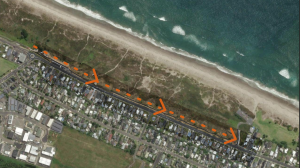
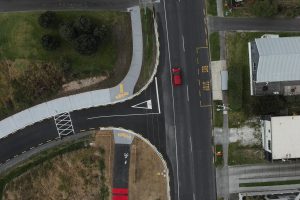
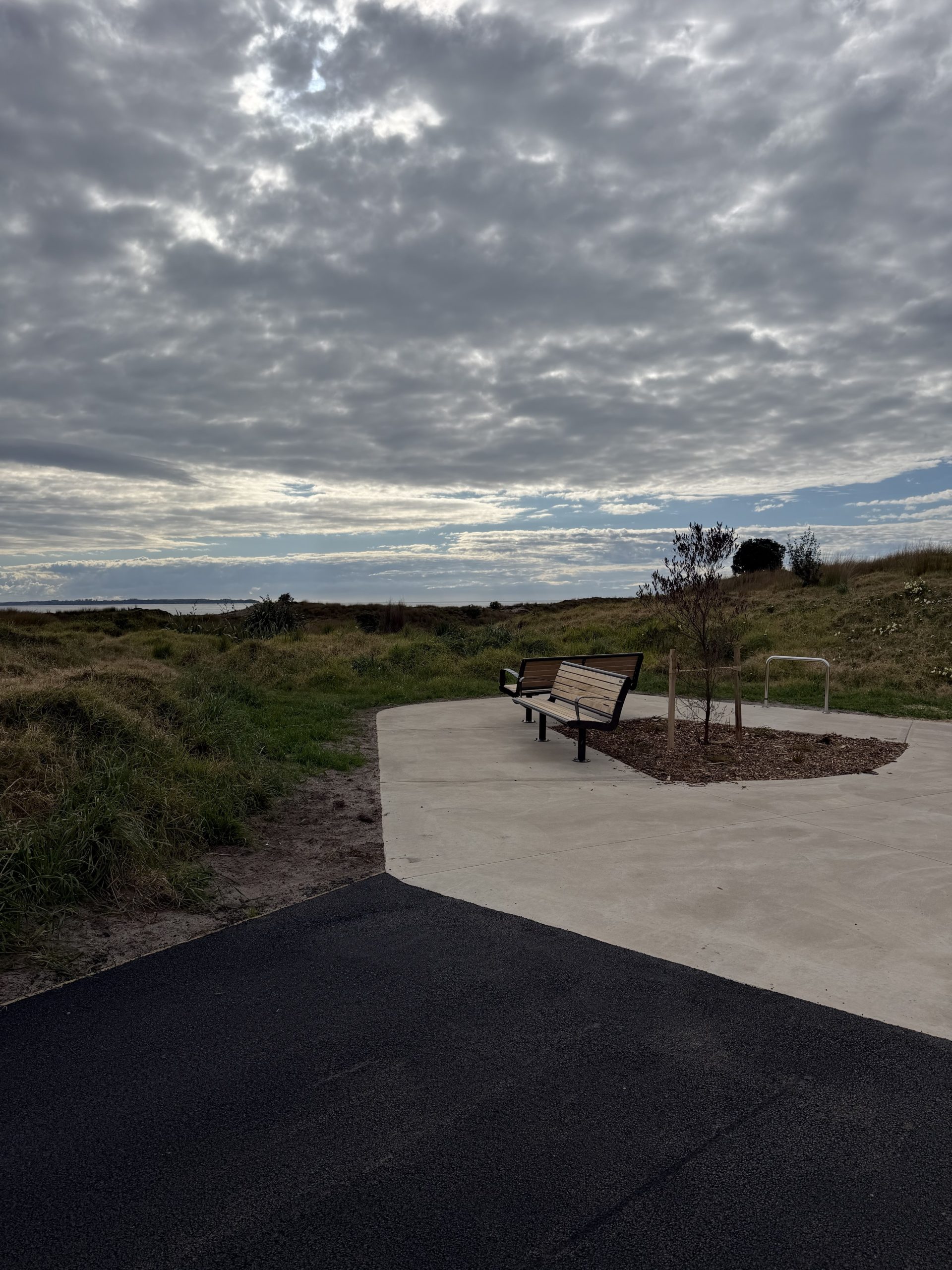
Papamoa Pathway Stage 2 is one of those projects that reminds me why good local infrastructure matters. On paper, it is a shared pathway. In reality, it is a safer and more useful connection through one of Tauranga’s fastest-growing coastal suburbs, and a place many of us know well and call home.
The pathway forms part of the wider Papamoa active transport network, improving walking and cycling connections through a rapidly growing area. What I like about it is how practical it is. Whether it’s a safer trip to school, an easier walk to a reserve, a better weekend ride, or simply another option for getting around without always needing the car, the benefits are immediate and easy to understand.
Vitruvius has completed the detailed design phase for the project, which I led as Design Lead alongside a strong team of designers, including Brooke Buckman – Civil Engineering Technician. The design phase was about much more than drawing a line on a plan. It involved working through the corridor constraints, existing services, constructability, ecological and cultural considerations, and making sure the pathway could be delivered safely and practically on the ground. I am now continuing on the project as Project Leader, leading the MSQA on site and helping guide the works through construction.
A big part of the construction phase has also been the partnership with HEB. We have built a strong working relationship with their team on site, which makes a real difference when you are dealing with the sort of practical constraints this project has. Being able to work through issues openly, plan ahead and keep communication moving has helped the team stay focused on safe, sensible delivery.
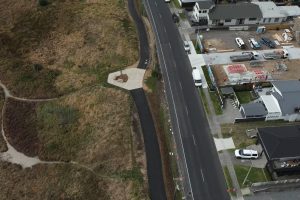
One of the main challenges has been working around the existing services in the corridor, particularly the watermain, which has politely but firmly reminded everyone that it was there first. It limits the construction loading that can be applied in certain areas, so plant movements, temporary works, access and sequencing have all had to be carefully planned. That is the stuff the public will probably never see, but it is also the stuff that stops a “simple pathway” becoming a very expensive water feature.
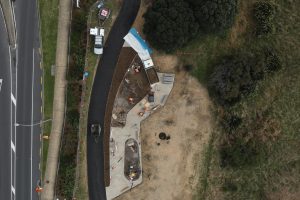
The project also sits within a sensitive local environment, including a special ecological zone. That adds another layer of responsibility to the construction phase. For me, the pathway is not just a strip of pavement. It sits within a wider landscape that needs to be respected, so environmental controls, construction methodology and day-to-day site decisions all matter.
Cultural considerations have also been important. Papamoa has a rich history, and projects in this area need to be approached with care. For our project team, that means recognising that we are working in a place with cultural value, keeping the right processes front of mind, and making sure those considerations are respected through construction.
One of the lessons I keep coming back to is that simple-looking community assets are rarely simple to deliver. Shared paths can look straightforward once complete, but there is a lot to balance behind the scenes: existing utilities, construction access, public safety, drainage, ecological constraints, cultural values, stakeholder expectations and future maintenance. Getting those pieces lined up is what turns a line on a plan into something that works well on the ground.
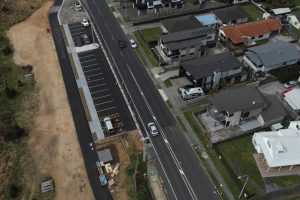
The highlight for me has been seeing the project move from design into construction and watching those plans take shape on the ground. Projects like this remind me that even relatively simple community assets require a huge amount of coordination, technical input and collaboration to deliver successfully. The best part is the outcome: creating something that gives people more choice in how they get around, supports healthier ways of moving through the community, and enhances the places where people live, work and spend their time. It’s the kind of infrastructure people quickly come to rely on, becoming part of everyday life without needing to be flashy about it. Those are often the projects I enjoy most, the ones that quietly make daily life better.
We’re looking forward to continuing our work with Tauranga City Council on future public realm projects, helping shape spaces and places that support a more connected, community-focused city. These are the kinds of projects that help communities grow well, and I’m excited about the role Vitruvius can play in helping bring that vision to life.
Project: Papamoa Pathway Stage 2
Client: Tauranga City Council
When: 2025 – 2026
Vitruvius Scope: Detailed Design, MSQA